Osian Jain Mandir and Temple Architecture Guide (Easy 2026 Guide)
By Osian Jodhpur Travel Team – Local Desert Experts
Estimated Reading Time: 9 minutes
Affiliate Disclosure: This article contains affiliate links. We may earn a small commission — at no extra cost to you.
Introduction
Osian Jain Mandir and temple architecture, If you’re visiting Osian, you can’t miss the Jain Mandir — it’s one of the most peaceful and beautiful temples in all of Rajasthan.
Located about 65 km from Jodhpur, this temple is dedicated to Lord Mahavira, the 24th Jain Tirthankara. Locals say this is where the famous Oswal Jain community began centuries ago.
When you walk inside, you’ll feel calm — the soft light, the carvings on red sandstone, and the silence all around make it a special experience. It’s not just a temple; it’s a piece of living history that’s still full of devotion.
🌅 A Bit of History
The Mahavira Jain Temple in Osian was built over 1,200 years ago — around the 8th century. Back then, Osian was a busy trade town, full of merchants, travelers, and artists.
During the Pratihara dynasty, Osian became a major center for both Jainism and Hinduism. That’s why you’ll find so many temples close to each other here — all carved from the same golden sandstone.
Many people believe this is where the Oswal Jain community started. Even today, Jains from all over India visit this temple to offer prayers to their Kuldevi (family goddess) Sachiya Mata and Lord Mahavira.
💡 Local Tip: Visit early morning around 7–8 AM — the sunlight looks beautiful on the temple’s red walls, and it’s quiet and peaceful.
📍 View on Google Maps – Mahavira Jain Temple Osian
🪔 Spiritual Importance
This temple is a big part of Jain faith and Rajasthani culture. Inside, you’ll find peace — no noise, no rush, just a calm atmosphere where devotees pray silently.
Many families come here to meditate or thank the goddess for good fortune. You can really feel that positive energy when you sit inside the main hall for a few minutes.
💡 Tip: Remember to remove shoes and leather items before entering. Silence is part of the experience here.
🏛️ The Temple’s Beautiful Architecture
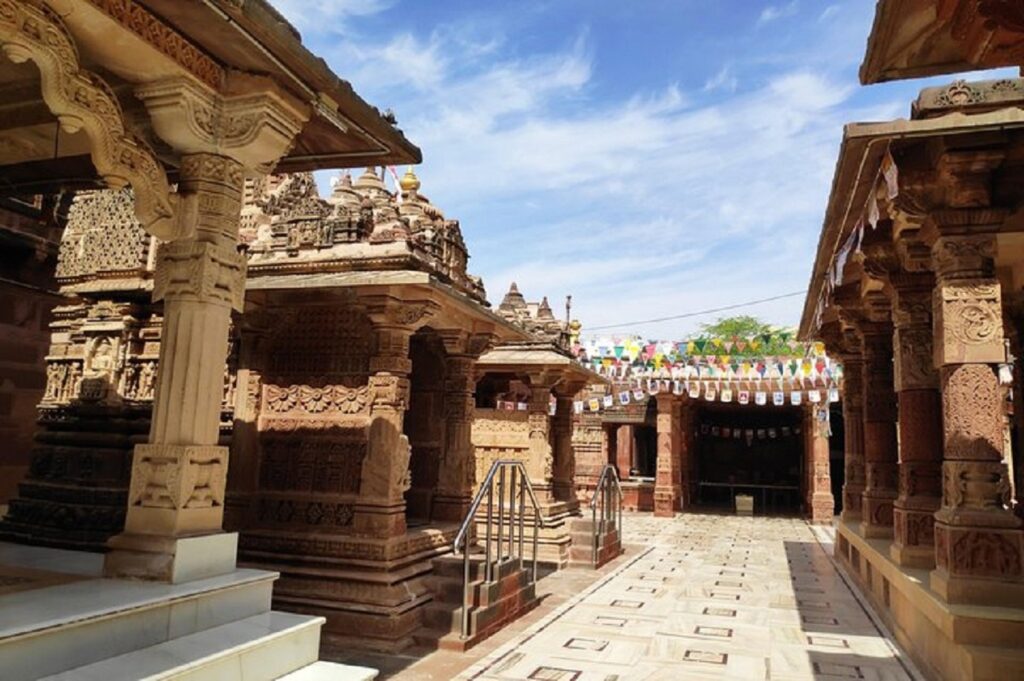
The Jain Mandir in Osian is famous for its amazing carvings and detailed design. Built in the Nagara style (the classic North Indian temple style), it has elegant pillars, domes, and gateways that are carved like lace in stone.
🔹 Highlights You’ll Notice
- Tall Spire (Shikhara): The top dome rises high, showing the path to enlightenment.
- Carved Pillars: Every pillar tells a story — with dancers, gods, and floral designs.
- Stone Arches (Toranas): These gateways are carved with tiny patterns that look perfect even after centuries.
- Main Idol: The peaceful statue of Lord Mahavira in the center — calm, still, and glowing in natural light.
The temple’s symmetry and carvings are so detailed that even the jewelry on the sculptures looks real. It’s hard to believe this was all hand-carved more than a thousand years ago.
💡 Tip: Don’t rush — walk slowly and look up at the ceilings. The stone patterns there are breathtaking.
🕉️ Inside the Main Sanctum
The sanctum (inner room) has a quiet, sacred energy. The idol of Lord Mahavira is seated in a meditative pose, made of smooth sandstone.
The air smells faintly of incense, and you might hear the soft sound of bells or chants from devotees. The whole place feels timeless — peaceful and powerful at once.
💡 Tip: Avoid using flash or loud voices inside. Just sit for a minute — you’ll feel a beautiful calm.
🌾 The Smaller Jain Shrines Around
Besides the main temple, Osian has a few smaller Jain shrines nearby. Each one is unique — some are partly in ruins, but still full of stories and charm.
You can find temples dedicated to:
- Parshvanath (23rd Tirthankara)
- Adinath (1st Tirthankara)
- Shantinath (16th Tirthankara)
These smaller temples have incredible carvings — from elephants and dancers to lotus flowers and Jain symbols like the Dharmachakra (Wheel of Law).
💡 Tip: Most tourists skip these small shrines — visit them for quiet photos and a real sense of history.
🎭 Art and Meaning Behind the Carvings
The carvings inside the Jain temples of Osian are not just decoration — they tell stories and teach lessons.
Here’s what some of the symbols mean:
- Lotus: Purity and peace
- Elephant: Strength and good fortune
- Apsaras (dancers): Joy and devotion
- Kalpavriksha tree: The wish-fulfilling tree
- Swastika: The eternal cycle of birth and rebirth
Every detail shows how much importance Jainism gives to beauty, discipline, and spirituality.
💡 Tip: Carry a small flashlight (or use your phone light) — it helps you see carvings in dim corners without using flash.
🪷 Festivals and Events
Osian’s Jain temples come alive during special festivals. If you visit at the right time, you can witness the devotion and celebration.
- Mahavir Jayanti (April): The birth anniversary of Lord Mahavira — morning prayers, flags, and processions.
- Paryushan (August–September): A time of fasting and reflection for Jains.
- Purnima (Full Moon): Special chanting and lighting ceremonies every month.
💡 Tip: Visit early during festivals — mornings are less crowded and the ceremonies are beautiful to watch.
🧭 How to Reach Osian Jain Temple
- From Jodhpur: 65 km (1.5 hours by car) via NH62
- By Taxi: ₹1,800–₹2,000 for a round trip
- By Bus: Regular buses from Jodhpur Paota Circle to Osian village
- By Train: Local passenger trains (limited service)
💡 Tip: If you’re already visiting Sachiya Mata Temple, the Jain Mandir is just a short walk away — visit both in one trip.
🛍️ Nearby Attractions
- Sachiya Mata Temple: The most famous Hindu temple in Osian.
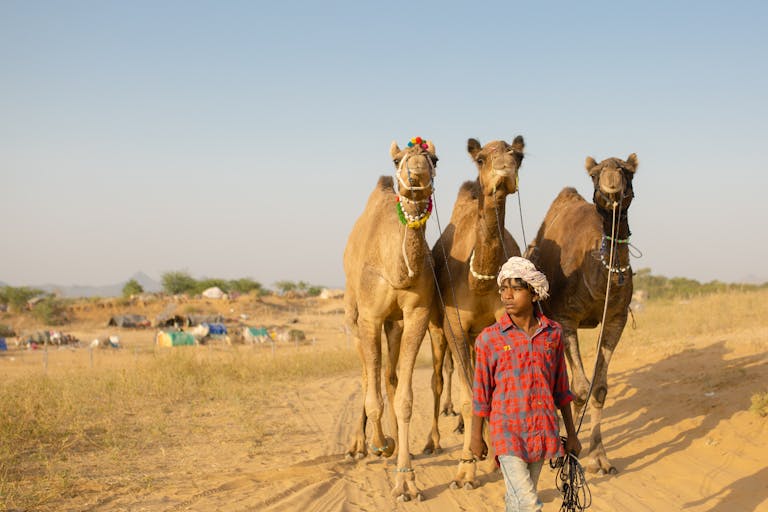
- Osian Sand Dunes Safari: Just 15 minutes away — perfect for sunset.
- Village Market: Great for small souvenirs and handicrafts.
- Local Desert Camps: Stay overnight for folk dance and stargazing.
💡 Tip: Spend one full day in Osian — temples in the morning, desert safari in the evening. That’s the perfect plan.
👉 Related Posts You Might Like
- Sachiya Mata Temple Osian History and Visiting Tips
- Temples and Spiritual Heritage of Osian Jodhpur
- Festivals and Rituals in Osian Temples You Must See
- Desert Camps and Resorts near Osian
- One-Day Itinerary for Osian from Jodhpur
❓ FAQ
Q1. How old is the Osian Jain Temple?
A: It’s over 1,200 years old, built around the 8th century during the Pratihara dynasty.
Q2. Who is worshipped here?
A: The main deity is Lord Mahavira, the 24th Tirthankara of Jainism.
Q3. Can tourists visit freely?
A: Yes, the temple welcomes everyone — just respect silence and remove shoes before entering.
Q4. Is there an entry fee?
A: No, entry is free, but donations for temple upkeep are welcome.
Q5. What’s the best time to visit?
A: October to March for pleasant weather. Morning and sunset are the best times for peaceful visits.