Osian Village Life Art and Local Culture (2026 Guide)
By Osian Jodhpur Travel Team – Local Desert Experts
Estimated Reading Time: 10 minutes
Affiliate Disclosure: This article contains affiliate links. We may earn a small commission — at no extra cost to you.
🏜️ Introduction
If you really want to feel the soul of Rajasthan, don’t just see the temples — explore the osian village life and local culture of Osian.
Located just 65 km from Jodhpur, Osian is not only known for its ancient temples and sand dunes but also for its warm-hearted people, colorful traditions, and simple desert lifestyle.
Here, you’ll find shepherds leading camels through golden fields, women drawing water in bright ghagras, and artisans creating handicrafts that reflect centuries of heritage.
In this guide, let’s take a walk through Osian’s real desert life — from its homes and art to its music, food, and festivals.
🏡 Everyday Life in Osian Village
Life in Osian moves at its own calm rhythm. Most families here depend on farming, camel rearing, and handicrafts.
You’ll see homes made from mud and clay, painted in soft earthy tones that keep them cool even in summer.
Children walk to school through narrow lanes, women chat while filling pots at the well, and men gather at chai stalls to discuss village news.
Despite the desert’s dryness, the people here live with a smile — simple, hardworking, and welcoming to visitors.
Highlights:
- Mud houses with thatched roofs (jhumpa)
- Community wells as social meeting spots
- Camels and goats as part of daily life
💡 Tip: Early morning and sunset are the best times to explore — people are active, and the light is perfect for photos.
📍 View on Google Maps – Osian Village
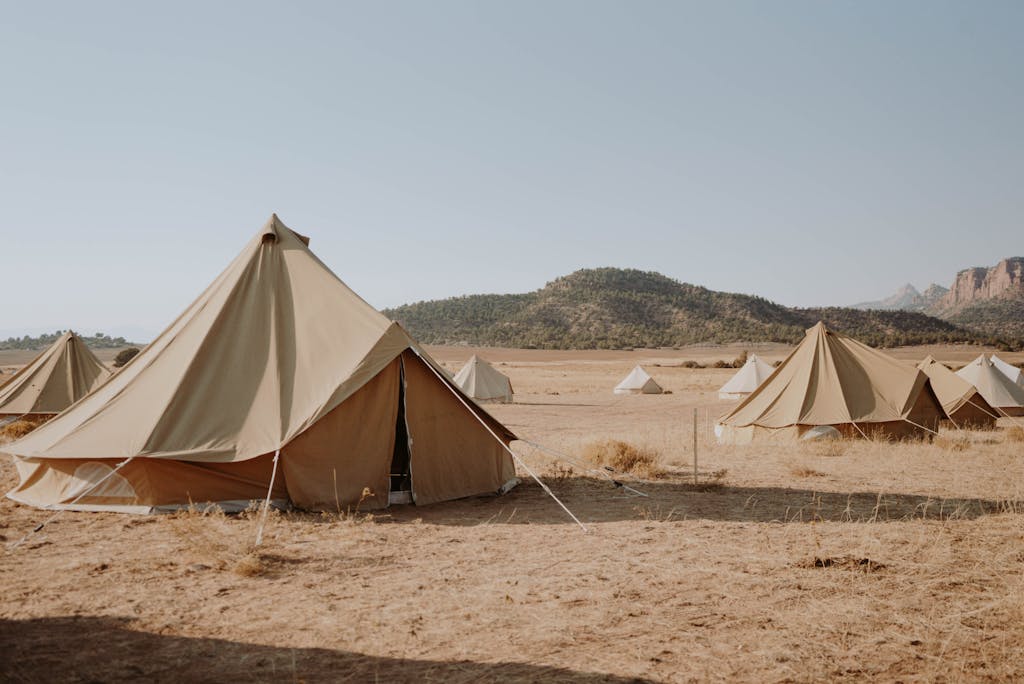
🐫 The Bishnoi Community – Guardians of the Desert
Around Osian, you’ll find many Bishnoi villages, home to one of Rajasthan’s most eco-friendly communities.
The Bishnois are known for their love of nature and wildlife — they never harm animals or trees, even in harsh conditions.
Their traditions date back over 500 years and focus on living peacefully with nature. It’s common to see gazelles and peacocks walking freely around their fields.
What to See:
- Traditional Bishnoi homes with dung-plastered walls
- Women wearing bright red and orange turbans
- Handmade pottery and craft workshops
💡 Tip: Many local families welcome visitors for chai — it’s a beautiful cultural exchange. Just greet them with a friendly “Ram Ram.”
🎨 Handicrafts and Art in Osian
Art is part of everyday life in Osian. Most families know some craft — whether it’s embroidery, pottery, block printing, or leatherwork.
These skills have been passed down for generations. You’ll see women stitching colorful wall hangings or men shaping pots on a small wheel under the shade of a tree.
The designs are inspired by desert life — camels, peacocks, flowers, and traditional Rajasthani patterns.
Top Handicrafts to Look For:
- Hand-painted clay pots
- Camel leather goods
- Embroidered cushion covers and bags
- Handmade silver jewelry
💡 Tip: Always buy directly from artisans — it helps preserve their craft and gives fair income.
🕺 Folk Dance and Music – The Sound of the Desert
Every evening in Osian, the desert comes alive with folk music and dance.
During festivals or even at local desert camps, you’ll hear the haunting sounds of the sarangi and dholak echoing through the dunes.
The Kalbelia dancers, with their swirling skirts and graceful moves, are a treat to watch. The Manganiyar singers, known for their deep, soulful voices, perform songs of love, gods, and desert legends.
Common Folk Performances:
- Kalbelia (snake dance)
- Ghoomar (graceful circle dance)
- Manganiyar songs (folk storytelling in music)
💡 Tip: The best place to watch folk shows is at evening desert camps in Osian — they include music, dance, and dinner under the stars.
📍 View on Google Maps – Osian Desert Camps
[Add image of folk dancers performing at night]
🍛 Food and Flavors of Osian
Rajasthani food is as colorful as its culture — and in Osian, you’ll get a real taste of it.
The meals here are simple, made with local grains and spices that suit the desert climate.
Must-Try Dishes:
- Dal Baati Churma – the signature Rajasthani meal
- Ker Sangri Sabzi – desert beans cooked with local spices
- Bajre ki Roti – millet bread served with butter or ghee
- Gatte ki Sabzi – gram flour dumplings in spicy curry
And don’t miss the sweet tea (chai) served in clay cups — it’s part of every conversation here.
💡 Tip: Ask locals for home-cooked meals or visit small dhabas — they serve the most authentic flavors.
🧵 Traditional Clothes and Jewelry
The colors of Osian’s clothes are brighter than the desert sun.
Women wear vibrant ghagras (long skirts) with heavy silver jewelry, while men wear white dhotis and colorful turbans that reflect their community and status.
You’ll often see mirror work, beads, and hand embroidery on clothes — each pattern tells a story of the maker’s tribe and belief.
💡 Tip: If you’re buying local attire, check the handmade stalls near the Osian market or temple steps — prices are fair and directly help the artisans.
🌿 Festivals and Village Fairs
Festivals in Osian aren’t just temple events — they’re full of color, music, and laughter.
During Navratri, the entire village decorates the streets with lights. There’s also a local camel fair where villagers trade camels and handicrafts.
Popular Local Festivals:
- Navratri: Worship of Goddess Sachiya Mata
- Teej and Gangaur: Celebrations of womanhood and love
- Camel & Handicraft Fairs: Rural desert life on full display
💡 Tip: Plan your trip during festivals (especially October–March) for the most vibrant local experiences.
[Add image of festival crowd or decorated temple street]
🧭 How to Experience Osian’s Village Culture
You don’t need to rush — the best way to enjoy Osian’s village life is to walk slowly, smile often, and talk to people.
Suggested Plan:
- Morning: Visit the temples
- Afternoon: Explore village lanes and artisan workshops
- Evening: Enjoy folk music and dinner at a desert camp
💡 Tip: Hire a local guide for a few hours — they’ll take you to offbeat spots tourists usually miss.
🎒 What to Carry
- Comfortable walking shoes
- Sunglasses and hat
- Camera for portraits and crafts
- Small gifts (like chocolates) for kids
- Cash for small market purchases
💡 Tip: Always ask before taking photos of people — most villagers will smile and say yes if you ask politely.
👉 Related Posts You Might Like
- Bishnoi Community and Local Life Around Osian
- Handicrafts and Art in Osian Jodhpur Village
- Osian Market Local Shopping Experiences Guide
- Responsible Tourism in Osian Desert Villages
- Desert Camps and Resorts near Osian
❓ FAQ
Q1. Is it safe to walk around Osian village?
A: Yes, Osian is very safe. Locals are friendly and helpful — just dress modestly and be respectful.
Q2. Can I visit a Bishnoi or local family home?
A: Yes, many offer cultural visits where you can see pottery-making or enjoy chai with them.
Q3. Is photography allowed in villages?
A: Yes, but always ask before clicking portraits.
Q4. When is the best time to experience Osian’s village life?
A: From October to March, when the weather is pleasant and festivals are happening.
Q5. How can I support local communities?
A: Buy directly from artisans and avoid bargaining too hard — every rupee helps preserve their culture.