Temples and Spiritual Heritage of Osian Jodhpur (2026 Guide)
By Osian Jodhpur Travel Team – Written by Rehan, local desert travel expert
Estimated Reading Time: 10 minutes
Affiliate Disclosure: This article contains affiliate links. We may earn a small commission — at no extra cost to you.
Introduction
If Jodhpur is known as the “Blue City,” then Osian is its Spiritual Jewel — an ancient desert town where religion, architecture, and devotion have flourished for more than a thousand years.
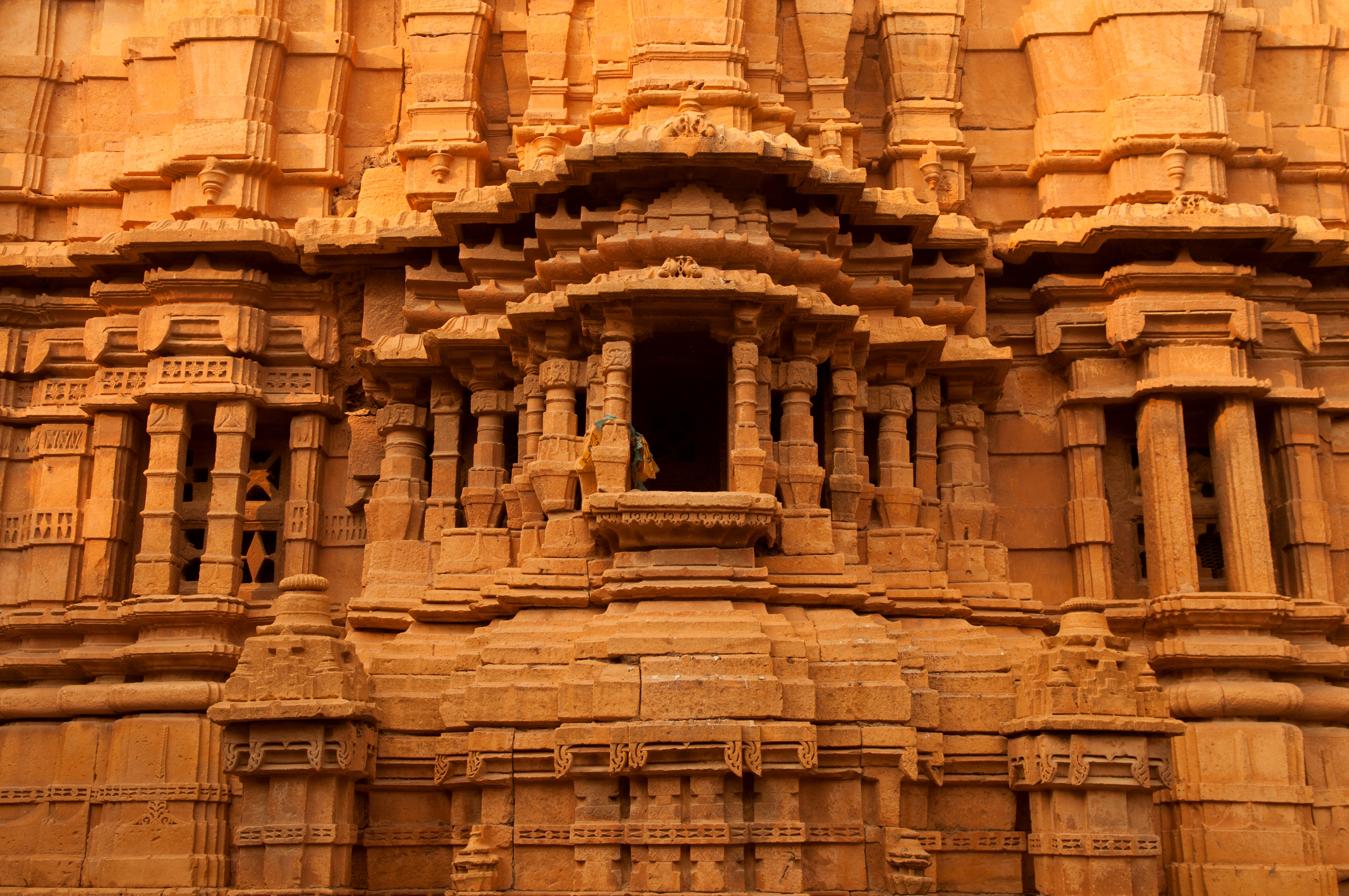
Temples and Spiritual Heritage of Osian Jodhpur, Located around 65 km from Jodhpur, Osian is often called the Khajuraho of Rajasthan, famous for its group of intricately carved Hindu and Jain temples dating back to the 8th–12th centuries. Each temple here tells a story — of faith, artistry, and timeless desert heritage.
This guide takes you through the most important temples in Osian, their legends, architecture, visiting tips, and how you can experience the spiritual side of this sacred desert oasis.
🌅 A Glimpse into Osian’s Sacred Past
Osian (also spelled Osiyan) was once a major trading hub on the ancient silk route. Between the 8th and 12th centuries, it became a thriving religious center under the rule of the Gurjara-Pratihara dynasty.
During this time, dozens of magnificent temples were built — dedicated to Hindu deities like Sachiya Mata, Harihara, Surya (Sun God), and to the Jain Tirthankaras. Even today, Osian remains a pilgrimage site for Hindus and Jains from across India.
💡 Tip: Visit in the early morning for a peaceful experience and beautiful light for temple photography.
📍 View on Google Maps – Osian Temples Complex
🛕 1. Sachiya Mata Temple – The Guardian Goddess of Osian
Deity: Goddess Sachiya Mata
Built: 8th Century
Timings: 5 AM – 8 PM
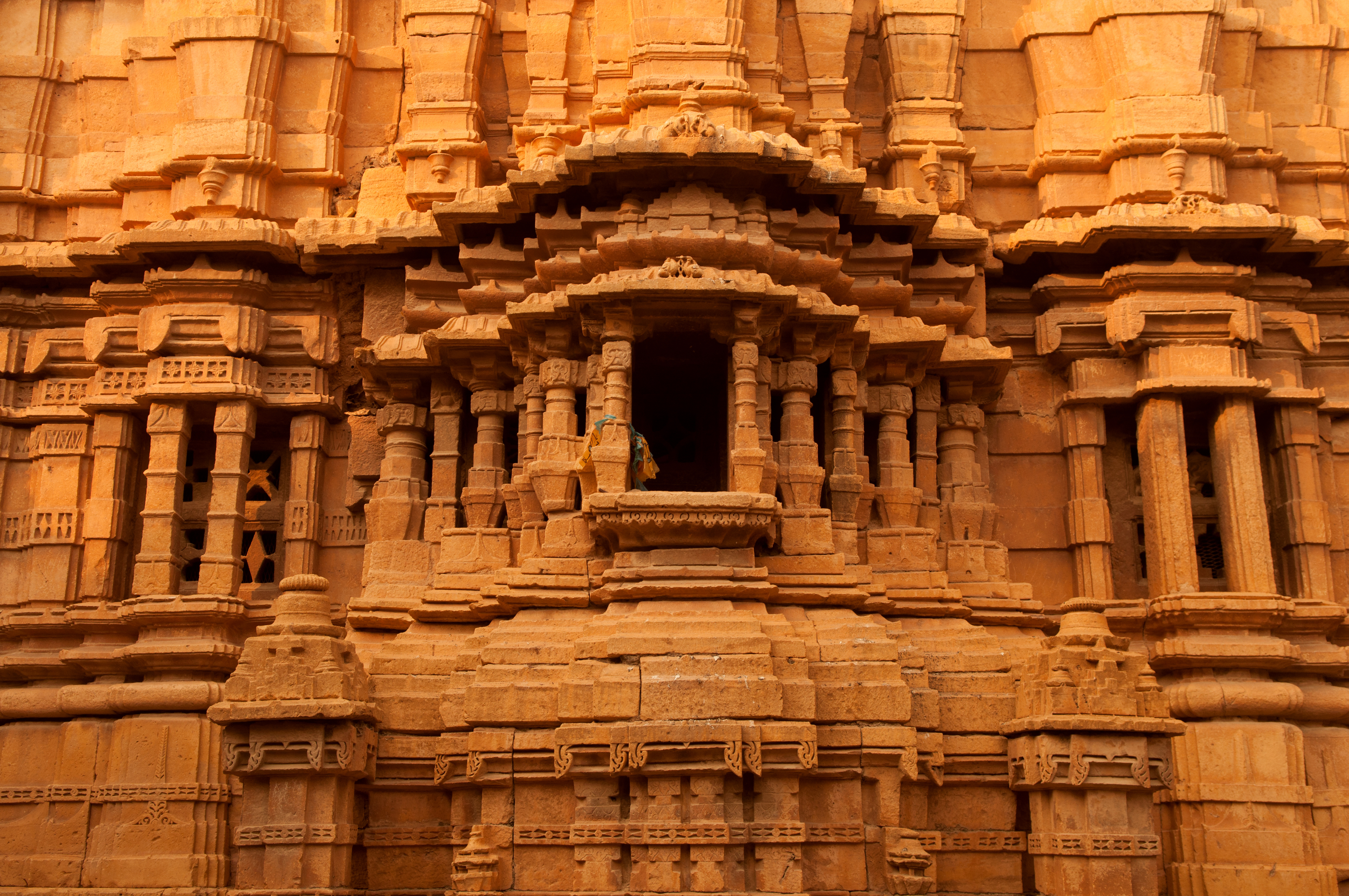
The Sachiya Mata Temple is the crown jewel of Osian — perched on a small hill overlooking the town and desert beyond. The temple is dedicated to Sachiya Mata, the Kuldevi (family goddess) of the Oswal Jain community and local Rajput clans.
Its stone carvings depict scenes from Hindu epics, celestial dancers, and mythological creatures. The temple has seven beautifully arched gateways leading up to the main sanctum — each symbolizing a spiritual stage.
Don’t Miss:
- The intricate Torana (archway) at the entrance
- Panoramic views of Osian from the top terrace
- Evening aarti during sunset
💡 Tip: Remove footwear before entering the temple complex and dress modestly.
🪔 2. Mahavira Jain Temple – A Jewel of Jain Architecture
Deity: Lord Mahavira (24th Tirthankara)
Built: 8th–9th Century
The Mahavira Jain Temple is one of Rajasthan’s oldest and most exquisite Jain temples. Constructed from red sandstone, it features beautifully carved pillars, ceilings, and sculptures of deities and dancers.
The temple’s sanctum houses a peaceful idol of Lord Mahavira, and the silence inside is mesmerizing — a stark contrast to the lively desert outside.
Highlights:
- Carved domes with detailed Jain iconography
- Intricate lattice work and carvings
- Small museum showcasing ancient relics
💡 Tip: Photography may be restricted inside — check with temple caretakers before clicking.
☀️ 3. Surya Temple – The Ancient Sun Shrine
Deity: Surya (Sun God)
Built: 9th Century
Dedicated to the Sun God, this lesser-known temple is a masterpiece of Osian’s architectural brilliance. It stands slightly apart from the main complex and features sculpted chariots, horses, and celestial imagery that symbolize light and renewal.
Highlights:
- Carvings of Surya riding a seven-horse chariot
- Early Dravidian-style stonework
- Peaceful surroundings with minimal crowd
💡 Tip: Best visited during sunrise or golden hour for stunning lighting on carvings.
🕉️ 4. Harihara Temples – The Forgotten Shrines
Deity: Harihara (Fusion of Vishnu & Shiva)
Built: 8th–10th Century
Osian has three ancient Harihara temples, each representing the divine union of Vishnu (Hari) and Shiva (Hara). These shrines are smaller and often overlooked by tourists but feature exceptional early Pratihara art.
Highlights:
- Sculptures showing both Shiva and Vishnu features
- Ancient stone inscriptions
- Quiet surroundings — great for meditation
💡 Tip: These temples are best visited with a local guide who can explain the symbolic carvings.
🌾 5. Pippala Devi Temple – A Hidden Gem
Deity: Goddess Pippala Devi
Built: 9th Century
Located away from the main cluster, the Pippala Devi Temple is one of Osian’s lesser-known yet spiritually powerful spots. The carvings depict feminine divinity and fertility — a rare feature in desert temple art.
Highlights:
- Delicate sandstone carvings of goddesses
- Peaceful, uncrowded environment
- Restored ruins showing ancient craftsmanship
💡 Tip: Bring water and a hat — this temple involves a short uphill walk under open sun.
🎭 Festivals and Rituals in Osian Temples
The temples of Osian come alive during key religious festivals:
- Navratri (March/April & September/October): Devotees from across Rajasthan visit Sachiya Mata Temple.
- Mahavir Jayanti: Celebrated with great devotion at the Jain temples.
- Purnima Aarti: Monthly full-moon prayers accompanied by traditional chants and lamps.
💡 Tip: During festivals, arrive early morning to avoid queues and enjoy rituals up close.
📷 Photography and Etiquette Tips
- Always ask permission before taking photos inside temple sanctums.
- Remove footwear and cover shoulders/knees.
- Avoid using flash — it damages carvings.
- Keep voices low inside temple premises.
💡 Tip: Sunrise and sunset are the best times for exterior photography — the carvings glow in golden light.
🧭 How to Reach Osian Temples from Jodhpur
- By Car: 1.5 hours (65 km via NH62)
- By Taxi: ₹1,800–₹2,000 round trip
- By Train: Local trains from Jodhpur to Osian Station (limited service)
- By Bus: Frequent local buses from Jodhpur’s Paota Stand
💡 Tip: Hire a local guide at the temple complex — they explain historical and mythological stories beautifully.
🍵 Nearby Attractions
- Osian Sand Dunes Safari: 10 minutes from the temple complex
- Local Osian Market: Perfect for buying miniature idols and handicrafts
- Village Walk: Experience rural life and interact with locals
💡 Tip: Combine your temple visit with a sunset desert safari for the complete Osian experience.
👉 Related Posts You Might Like
- Sachiya Mata Temple Osian History and Visiting Tips
- Osian Jain Mandir and Temple Architecture Guide
- Festivals and Rituals in Osian Temples You Must See
- Spiritual Walk Through Osian Ji Mandir Complex
- Desert Camps and Resorts near Osian
❓ FAQ
Q1. What is Osian famous for?
A: Osian is renowned for its ancient temples and desert landscapes, often called the “Khajuraho of Rajasthan” for its intricate temple art.
Q2. Which is the most famous temple in Osian?
A: The Sachiya Mata Temple is the most popular and spiritually significant temple in Osian.
Q3. Are Osian temples open to tourists of all faiths?
A: Yes, all temples are open to visitors irrespective of religion — but modest clothing is expected.
Q4. What is the best time to visit the temples?
A: Early morning (6–9 AM) or evening (4–6 PM) for pleasant weather and peaceful ambiance.
Q5. How old are the temples in Osian?
A: Most were built between the 8th and 12th centuries during the Pratihara dynasty.